Introduction
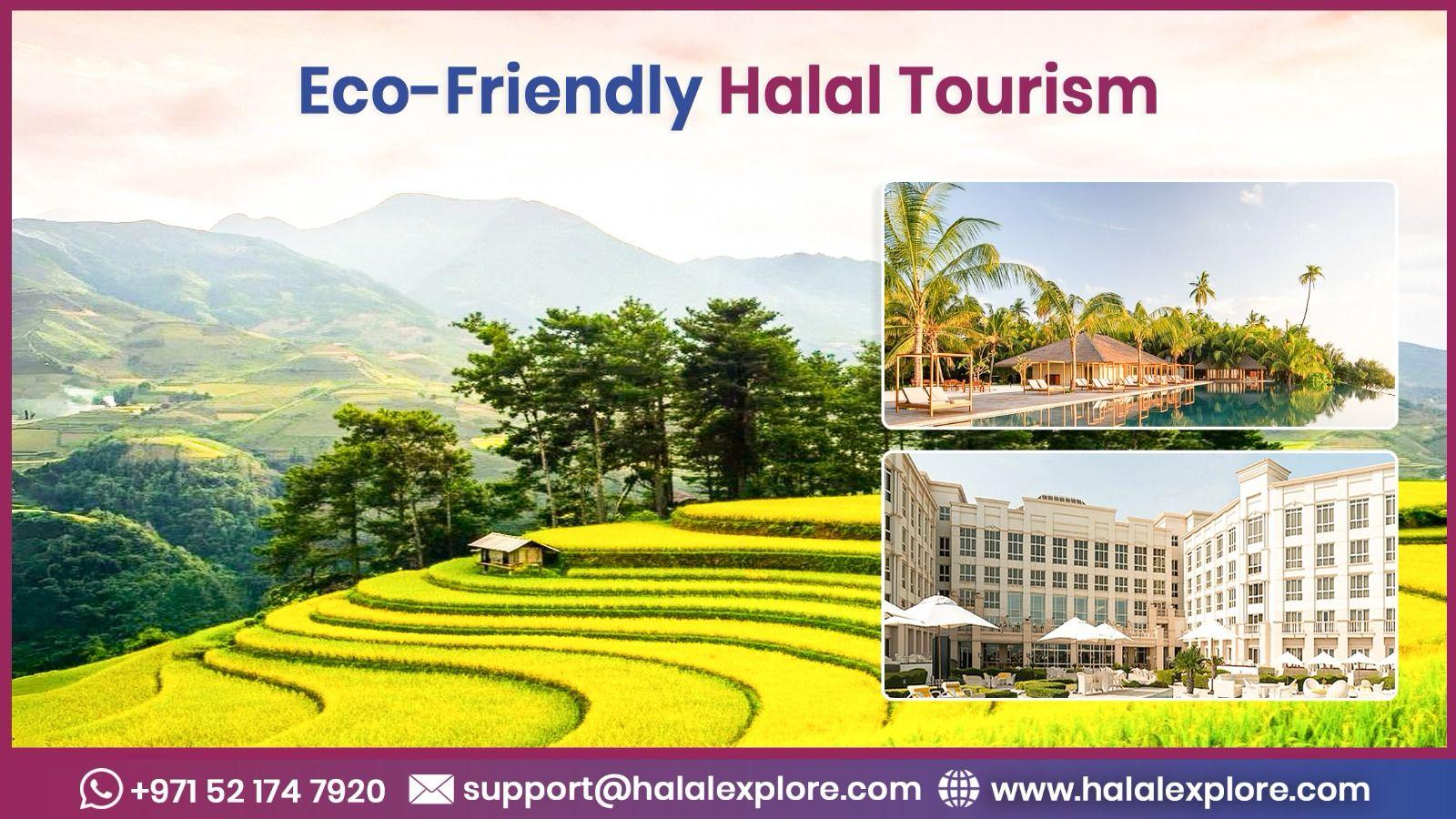
Eco-friendly halal tourism is becoming one of the most significant trends in the global travel industry. It combines sustainability with the religious needs of Muslim travelers. This approach goes beyond traditional tourism by ensuring that travel experiences are enjoyable, culturally rich, and environmentally responsible. It also aligns with Islamic values. Eco-friendly halal tourism emphasizes mindful travel. Every choice—from halal restaurants to eco-friendly hotels, family holidays, and even cruise experiences—focuses on protecting the planet and following Halal guidelines. At its heart, this form of tourism aims to balance modern travelers' desire for comfort and adventure with the essential duty of preserving the environment for future generations. It remains anchored in the faith-based practices important to Muslim life.
The Rise of Eco-Friendly Halal Tourism in a Growing Muslim Travel Market
Incredible is the speed at which the Muslim traveler population is growing, and this is causing a change in the global tourism map. Muslim international travelers in 2024 were recorded at 176 million which is a quite impressive number and shows the growing trust and excitement of Muslim travelers to discover the world. This number is likely to increase to 245 million by the year 2030, indicating that they will largely impact the future trends of travel. The rise of this market has opened the way not only for the halal services but also for the travelers to seek ethical and environmentally friendly experiences. The whole process has led to the emergence of eco-friendly halal tourism, a movement that is characterized by the merging of faith, culture, and environmental consciousness. More places, resorts, and tour operators are now turning towards this method as they have realized the great potential of catering to this conscious and value-driven community. Platforms like Halal Explore and such initiatives are leading the way in this transition, helping the travelers to find the options that are both halal and eco-friendly at the same time worldwide.
Economic Potential of Halal Tourism
In addition to its cultural and social importance, halal tourism has substantial economic potential. Spending by Muslim travelers is expected to reach USD 230 billion by 2030, making this sector one of the most profitable in global tourism. By 2025, the halal tourism market is projected to be around USD 302 billion, and forecasts indicate that it will exceed USD 548 billion by 2035. This growth reflects vast opportunities for businesses, destinations, and governments. It results not only from increasing numbers but also from a shift in expectations. Muslim travelers are looking for experiences that are faith-based and ethically sound. Their spending power creates new demand for halal activities, reliable transfers, comprehensive travel insurance, and eco-conscious accommodations—all of which align with both spiritual and environmental values.
Faith and Sustainability in Eco-Friendly Halal Tourism
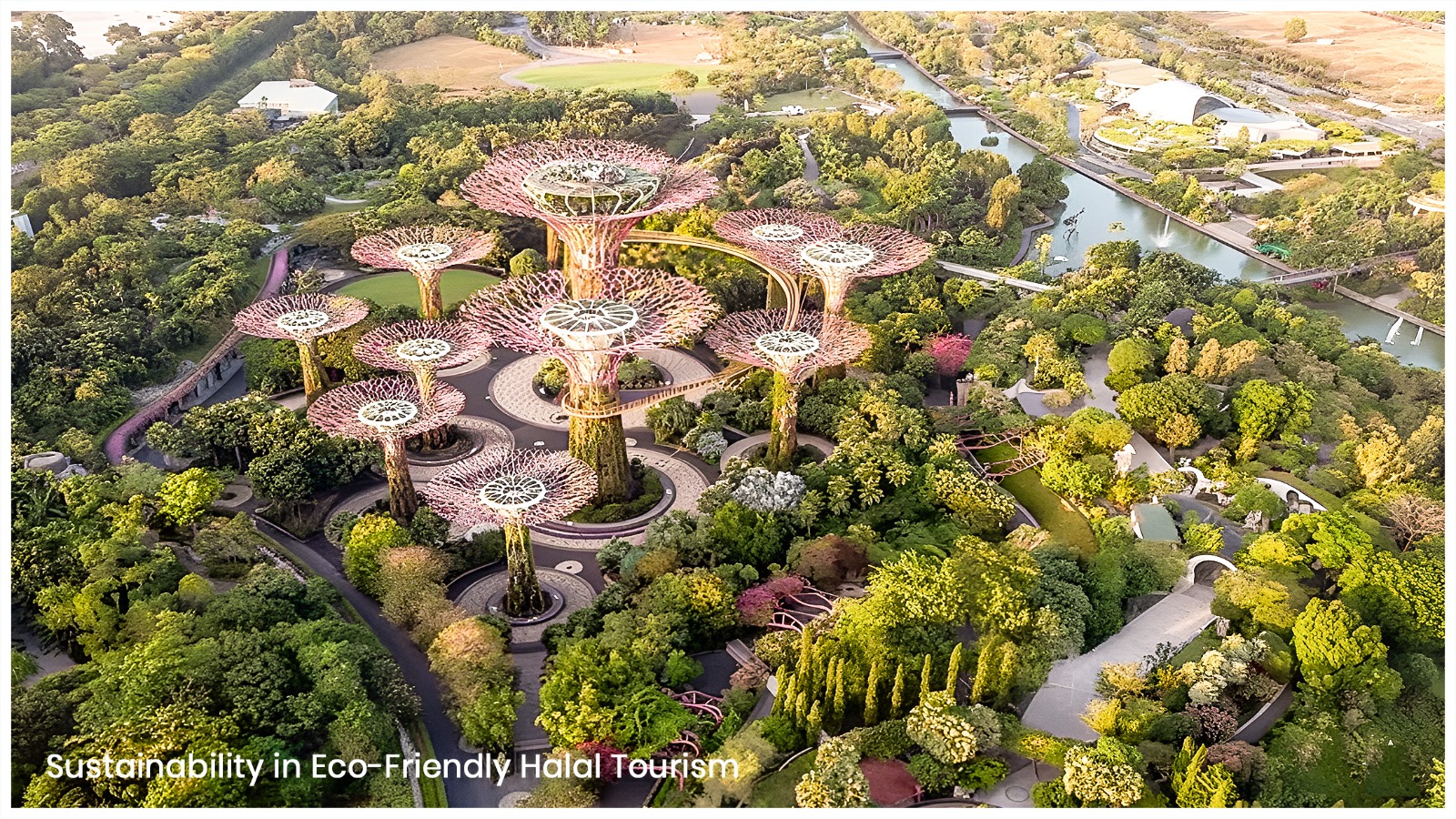
What sets eco-friendly halal tourism apart is its ability to combine the global drive for sustainability with the personal and religious commitments of Muslim travelers. In this context, sustainability means more than just lowering carbon footprints. It involves a comprehensive approach that protects local communities, respects wildlife, conserves resources, and promotes fair practices in hospitality. For Muslim travelers, this naturally aligns with Islamic principles of stewardship (khalifah) and respect for creation. Caring for the Earth is regarded as both a duty and an act of worship. Halal tourism that embraces sustainability offers eco-friendly lodgings built with green designs, halal-certified organic dining, prayer-friendly facilities, and community-supporting holiday packages. This blending of values turns travel into an enriching experience where faith, ethics, and the environment harmoniously coexist.
How Eco-Friendly Halal Tourism Is Shaping the Future of Travel
The combination of eco-tourism and halal tourism is not just a niche trend. It represents a transformative opportunity for the future of global travel. As demand for both sustainable and halal travel increases, destinations that meet these expectations can benefit significantly—economically, socially, and environmentally. By integrating faith-based needs with sustainable practices, countries and businesses can become leaders in a changing market. More importantly, eco-friendly halal tourism empowers travelers. It allows them to explore the world with confidence, knowing their journeys positively impact the environment while respecting their spiritual identity. With the support of platforms such as Halal Explore, which provides access to halal-friendly activities, hotels, holidays, transfers, insurance, cruise options, and restaurants, this new form of tourism is creating a world of opportunities. It is paving the way for a more inclusive, responsible, and transformative future for travelers, communities, and the planet alike
What Is Eco-Friendly Halal Tourism?
Eco-friendly halal tourism, also known as Green Halal Tourism, is a modern approach to travel that combines the principles of environmental sustainability with Islamic values. It allows Muslim travelers to explore destinations, engage in activities, and access services that are both halal-compliant and environmentally friendly. This type of tourism ensures that all aspects of the trip, including transportation, accommodation, halal dining, and recreational activities, are conducted in ways that reduce environmental damage while honoring faith. The concept is based on balancing the enjoyment of the planet’s natural beauty with the Islamic responsibility to protect and care for the Earth.
Balancing Faith and Sustainability in Halal Travel
What sets eco-friendly halal tourism apart is its ability to meet both spiritual and environmental needs simultaneously. It provides halal-certified food, prayer-friendly hotels, and amenities that respect the values and modesty of Muslim travelers. At the same time, it focuses on sustainability through eco-friendly lodging, the use of renewable energy, initiatives to reduce plastic waste, and activities that honor local ecosystems. This combined focus allows travelers to stay true to their religious values without neglecting their responsibility to the planet. In this way, every journey becomes more than just a vacation—it turns into an expression of faith and stewardship.
Inclusivity in Green Halal Travel
Although eco-friendly halal tourism primarily targets Muslim travelers, it is not exclusive. It appeals to non-Muslim travelers who value ethical choices, sustainability, and cultural respect during their trips. By merging Islamic values with global eco-tourism practices, it creates an inclusive environment where diverse travelers can partake in meaningful and responsible experiences. Whether through halal cruises, family holidays, or local experiences, this approach fosters mutual understanding and respect among different cultures while highlighting the universal principles of caring for nature, supporting local communities, and promoting ethical travel habits.
Enriching Experiences and Community Impact
Green halal tourism benefits not just the travelers but also the communities and ecosystems that host them. Through halal-compliant eco-lodges, organic halal dining, and nature-centered activities, travelers can support local economies in fair and sustainable ways. Community-based tourism initiatives empower locals by offering genuine cultural exchanges and generating income without exploitation. Similarly, eco-tourism projects protect wildlife, conserve natural resources, and preserve the cultural essence of destinations. By participating in these experiences, travelers actively contribute to a positive social, cultural, and environmental impact.
A Pathway to Responsible Halal Travel
In the end, eco-friendly halal tourism is more than just a passing trend; it is a pathway to responsible, thoughtful, and transformative travel. It encourages Muslims to explore the world with a commitment to both their faith and the environment while inviting non-Muslims to experience Islamic hospitality in an inclusive and ethical manner. As awareness of this approach increases, more travelers are discovering the richness of halal-friendly adventures that align with sustainability. With platforms like Halal Explore offering access to activities, hotels, holiday packages, transfers, insurance, cruise experiences, and restaurants, travelers now have a trusted gateway to plan eco-conscious journeys that are both memorable and spiritually fulfilling.
Eco-Lodges and Green Halal Resorts
Eco-friendly halal tourism is experiencing significant growth in accommodations that blend sustainability with Islamic values. Travelers are increasingly attracted to rainforest eco-lodges in Malaysia, where renewable energy, water conservation, and waste management help preserve the natural environment. Similarly, sustainable resorts in Türkiye are gaining popularity for their halal-certified dining options, many of which use a farm-to-table approach to reduce carbon footprints and support local farmers. These eco-lodges and resorts provide a peaceful getaway amid nature. They ensure that every aspect of the stay, from meals to activities, supports both environmental sustainability and Islamic principles. By exploring unique options through curated holiday packages and eco-friendly hotels, Muslim travelers can enjoy comfort while positively impacting the environment.

Digital Tools for Eco-Friendly Muslim Explorers
Technology is changing how Muslim travelers experience eco-friendly halal tourism. Innovative apps like MuslimPro and HalalTrip make it easier to find halal-friendly destinations that prioritize sustainability. These digital tools help travelers find halal-certified restaurants, prayer facilities, and eco-conscious hotels or resorts in just a few clicks. Many apps also include features like Qibla direction, local prayer times, and guides to eco-friendly attractions. By combining convenience, faith, and sustainability, these tools help travelers plan trips that reflect their values without compromising environmental responsibility.
Sustainable Halal Tourism: Uplifting Communities Worldwide
A major trend in eco-friendly halal tourism is the growth of partnerships with local communities. Many travel businesses are now working with indigenous groups, small farmers, and local artisans to create tourism experiences that are authentic, ethical, and sustainable. These partnerships often focus on conservation initiatives, cultural preservation, and responsible tourism practices that directly benefit local economies. For Muslim travelers, this means engaging in activities like eco-farming and cultural activities, heritage tours, or handicraft workshops that respect cultural traditions and follow the Islamic principle of stewardship (khalifah). By supporting local communities, eco-friendly halal tourism ensures that travel is enjoyable, meaningful, and socially responsible.
Choose Eco-Certified, Halal-Friendly Accommodations
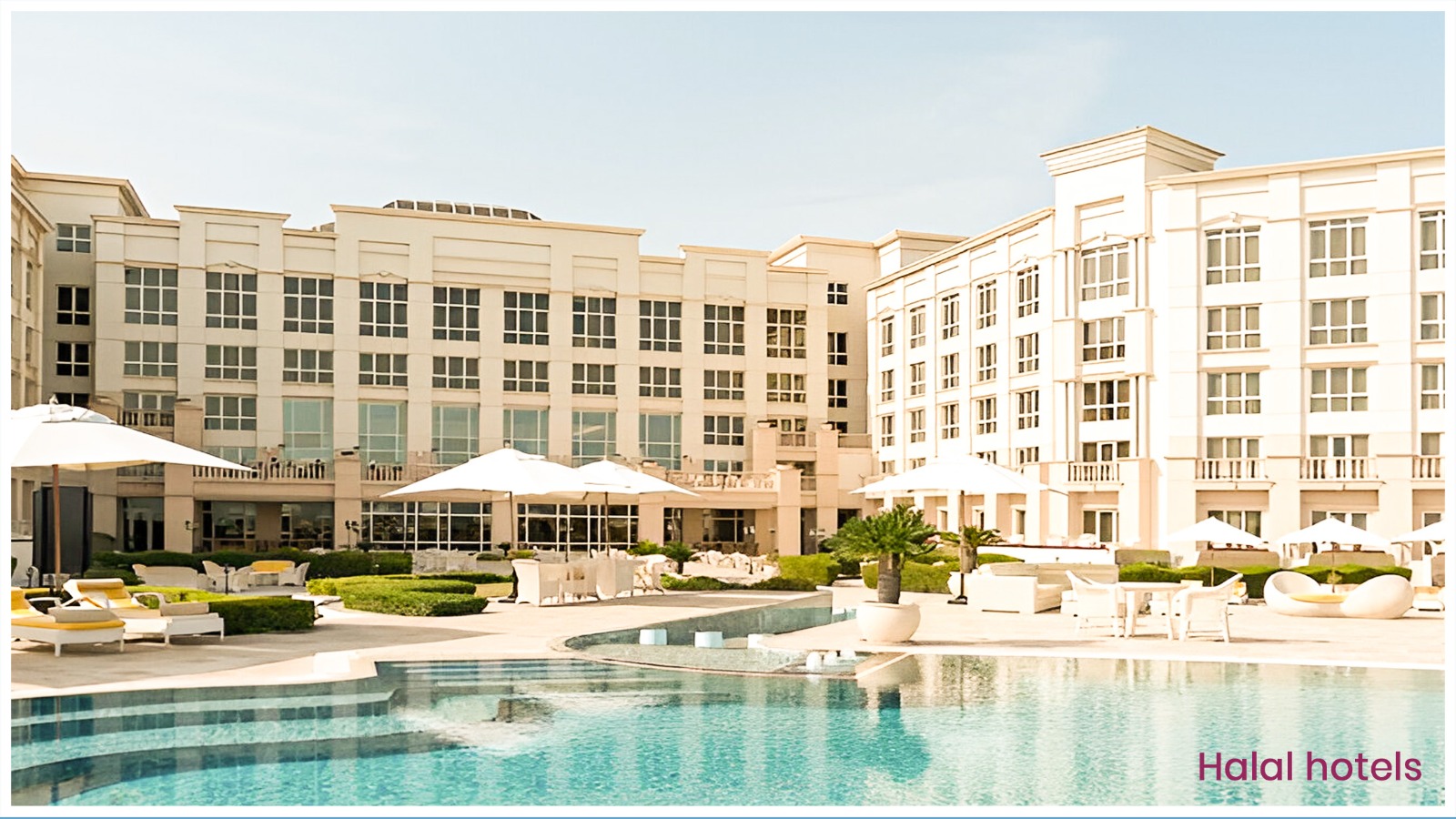
When booking your stay, focus on hotels and resorts that are both halal-friendly and carry recognized eco-certifications such as Green Key or EarthCheck. These places typically use energy-saving systems, reduce water waste, and lower their carbon footprint while providing halal-certified meals and prayer spaces. To make it easier, travelers can look for options on platforms like Halal Hotels and curated Holiday Packages, which combine sustainability with Islamic values.
Choose Sustainable Halal Dining Options
Dining is a significant part of traveling, and choosing restaurants that are halal-certified and committed to sustainability has a real impact. Many halal-friendly eateries now source ingredients locally, use organic produce, and support small farmers. Selecting these businesses ensures your spending supports ethical practices and local communities. You can find recommended dining spots on the Halal Restaurants page, making it easier to enjoy meals that are both tasty and responsible.
Travel Light for a Greener Halal Journey
Traveling light reduces stress and lowers your environmental footprint. By bringing essentials like reusable water bottles, eco-friendly toiletry containers, and fabric shopping bags, you can cut down on single-use plastics during your trip. This small effort helps reduce global waste and reflects Islamic principles of moderation and care for the Earth.

Opt for Low-Impact, Eco-Friendly Transport
Transportation is a major contributor to carbon emissions in tourism. Travelers can help by choosing direct flight routes, using trains when available, or selecting eco-conscious airlines that offset carbon emissions. For local travel, services like Transfers offer convenient, halal-friendly, and increasingly sustainable options. By making thoughtful transport choices, you minimize environmental harm and support businesses that prioritize greener practices.
Travel with Tech and Religious Mindfulness
Modern tourism often relies too much on digital devices, which can distract from the spiritual aspects of travel. Muslim travelers are increasingly interested in digital detox retreats, eco-stays in nature, and experiences that encourage mindfulness aligned with Islamic teachings. Using technology wisely while remaining aware of religious values ensures that trips stay restorative, balanced, and faith-centered.
Integrate Sustainability with Halal Amenities
Tourism providers should create services and infrastructure that balance eco-friendly practices with the needs of Muslim travelers. This involves installing energy-efficient systems, cutting down on plastic, and offering halal dining options, prayer facilities, and amenities that consider gender sensitivity. Combining these features ensures inclusivity while upholding environmental responsibility.
Empowering Local Communities in Eco-Friendly Halal Tourism
Working closely with local communities enhances the authenticity of traveler experiences and promotes fair wages, sustainable sourcing, and cultural preservation. Partnerships with local farmers, artisans, and conservationists create unique offerings that draw eco-conscious halal travelers and support local economies. Travelers can experience such initiatives through Activities that showcase cultural heritage and eco-friendly practices.
Promoting Eco-Friendly Halal Tourism with Digital Tools and Certifications
Digital platforms are effective for promoting halal-friendly, eco-conscious tourism. By using services like HalalExplore, providers can showcase their halal and green certifications, increasing visibility among Muslim travelers. Transparent certification builds trust and helps businesses stand out in a competitive market.
Innovating and Measuring Progress in Green Halal Tourism
Long-term success in eco-friendly halal tourism relies on continuous innovation and measurable results. Stakeholders should establish clear sustainability metrics, such as reducing carbon emissions, monitoring waste management, and ensuring halal compliance. Regular tracking helps providers improve and reassures travelers that their choices align with both environmental and religious values.
Conclusion
Eco-friendly halal tourism is becoming one of the most important trends in global travel. It combines the fast growth of the halal travel market with the critical need for sustainable tourism practices. Valued at around USD 302 billion in 2025 and expected to grow at over 6% each year, this sector is shaping the future of tourism for both Muslim and eco-conscious travelers. It focuses not only on halal-compliant facilities but also on incorporating environmental care, community support, and cultural preservation into the travel experience.
For travelers, this change means more chances to go on trips that are not only halal-compliant but also meaningful, ethical, and restorative. From eco-lodges in lush rainforests to halal-certified farm-to-table dining, the travel experience aligns with both faith and nature.
For destinations and businesses, eco-friendly halal tourism has great potential to help local economies, preserve cultural heritage, and build resilience against environmental issues. Communities benefit from fair wages, sustainable partnerships, and conservation work, while businesses secure long-term loyalty from a growing group of responsible travelers. In short, eco-friendly halal tourism leads to a path of ethical prosperity and environmental responsibility.
Call to Action: Are you ready to embrace a future where travel is both halal and sustainable? Eco-friendly halal tourism is more than just a concept; it’s a lifestyle choice and a shared responsibility. By making thoughtful decisions, every traveler and every business can help create a world where faith, culture, and the environment live together in harmony.
Explore Halal Hotels for Green Stays: Find eco-certified, halal-friendly places to stay that blend comfort, sustainability, and faith-based amenities. These hotels offer halal-certified meals and prayer spaces while using green technologies like renewable energy and water-saving methods for a responsible experience. Look for options on trusted platforms like Halal Hotels.
Discover Halal Activities for Ethical Adventures: Take part in authentic travel experiences that connect you with local communities and nature. From eco-farming and heritage workshops to guided nature treks, halal activities offer meaningful chances to learn, give back, and engage with the local culture responsibly. Explore inspiring options on Halal Activities.
Find the Best Halal Restaurants with Sustainable Sourcing: Food is central to every journey. Choosing restaurants that are both halal-certified and environmentally friendly improves your travel experience. Enjoy fresh, locally sourced meals that support small farmers and reduce carbon footprints while matching your ethical values. Plan your dining options using the Halal Restaurants directory.
Plan Your Trip with Holiday Packages and Eco-Conscious Transfers: Simplify your travel planning while ensuring that every detail reflects sustainability and halal compliance. Curated Holiday Packages combine green accommodations, ethical dining, and immersive activities. Eco-conscious Transfers provide responsible travel options during your journey. Together, these services create a smooth and hassle-free experience.
Frequently Asked Questions (FAQ) on Eco-Friendly Halal Tourism
1. What is eco-friendly halal tourism?
This is a kind of travel that is fully grounded on Islamic principles and at the same time, it respects the earth. It consists of halal food, eco-friendly lodging, and activities that are nature-friendly and respectful of religion.
2. Why is green halal tourism on the rise?
The halal travel market is rapidly growing—expected to reach USD 302 billion by 2025—primarily due to Muslim travelers who are very much concerned about the travel experience being ethical and sustainable.
3. What are some examples of eco-friendly halal accommodations?
Eco-lodges in Malaysia, halal farm-to-table resorts in Turkey, and green-certified hotels providing halal meals and prayer spaces are some examples.
4. What are the ways for Muslim travelers to organize an eco-friendly halal trip?
Halal Explore is one such platform that can be used, eco-certified halal hotels can be booked, organic halal restaurants can be dined at, and low-impact transport options can be utilized.
5. Are eco-friendly halal trips for Muslims only? Not at all. Anyone who appreciates ethical and sustainable travel will find this type of tourism quite appealing. It promotes inclusivity and respect for cultures.
6. What are the benefits of eco-friendly halal tourism to the communities?
It creates local employment, conserves nature, and maintains the cultural heritage through stays, tours, and farm-to-table dining that are ethical.
7. What are the digital tools that assist in planning halal and eco-friendly trips?
Travelers can find halal food, eco-hotels, and prayer spaces through Muslim Pro, HalalTrip, and Halal Explore.