
Introduction
Traveling is one of life's greatest joys. It offers chances to explore new cultures, admire beautiful landscapes, and create lasting memories. Each journey, whether through busy city streets or peaceful countryside, comes with the promise of adventure and discovery. However, Muslim travelers often need to plan extra—ensuring that all their food aligns with Islamic dietary rules.
The Importance of Halal Food While Traveling
Food is more than just nourishment; it is a key part of the travel experience. Trying local dishes is often one of the highlights of exploring a new place. Yet, for Muslim travelers, the excitement of tasting new foods can be overshadowed by worries about whether the food is halal. It is crucial to ensure halal compliance when dining abroad to maintain faith and peace of mind during the trip.
Challenges Faced by Muslim Travelers
Finding halal food abroad can be tricky. Language barriers, a lack of awareness among local restaurants, and few halal-certified options in some places can make dining difficult. Travelers may also worry about hidden ingredients, cross-contamination, or mislabeled products. These concerns can sometimes lead to stress and prevent one from fully enjoying the trip.
Purpose of This Halal Food Guide
This Halal Food Guide for Travelers was created to make your journeys smoother, more enjoyable, and less stressful. It offers practical tips on how to find halal food, guidance on what to look for when dining in unfamiliar settings, and strategies for ensuring your meals are safe and halal-compliant.
What This Guide Includes
Inside this guide, you will find a wealth of helpful resources designed for Muslim travelers:
Practical Tips – Simple advice for identifying halal food wherever you go, whether exploring local activities or embarking on a holiday trip.
Trusted Resources – Halal-friendly hotels, restaurants, and even cruise options that provide halal food listings and certifications.
Must-Have Tools – Essential items and digital tools for peace of mind, including travel insurance and reliable transfers.
A Journey Without Compromise
With the right preparation, Muslim travelers can enjoy authentic culinary experiences without compromising their faith. This guide helps you travel confidently, knowing that halal food and halal-friendly experiences are available wherever your adventures lead.
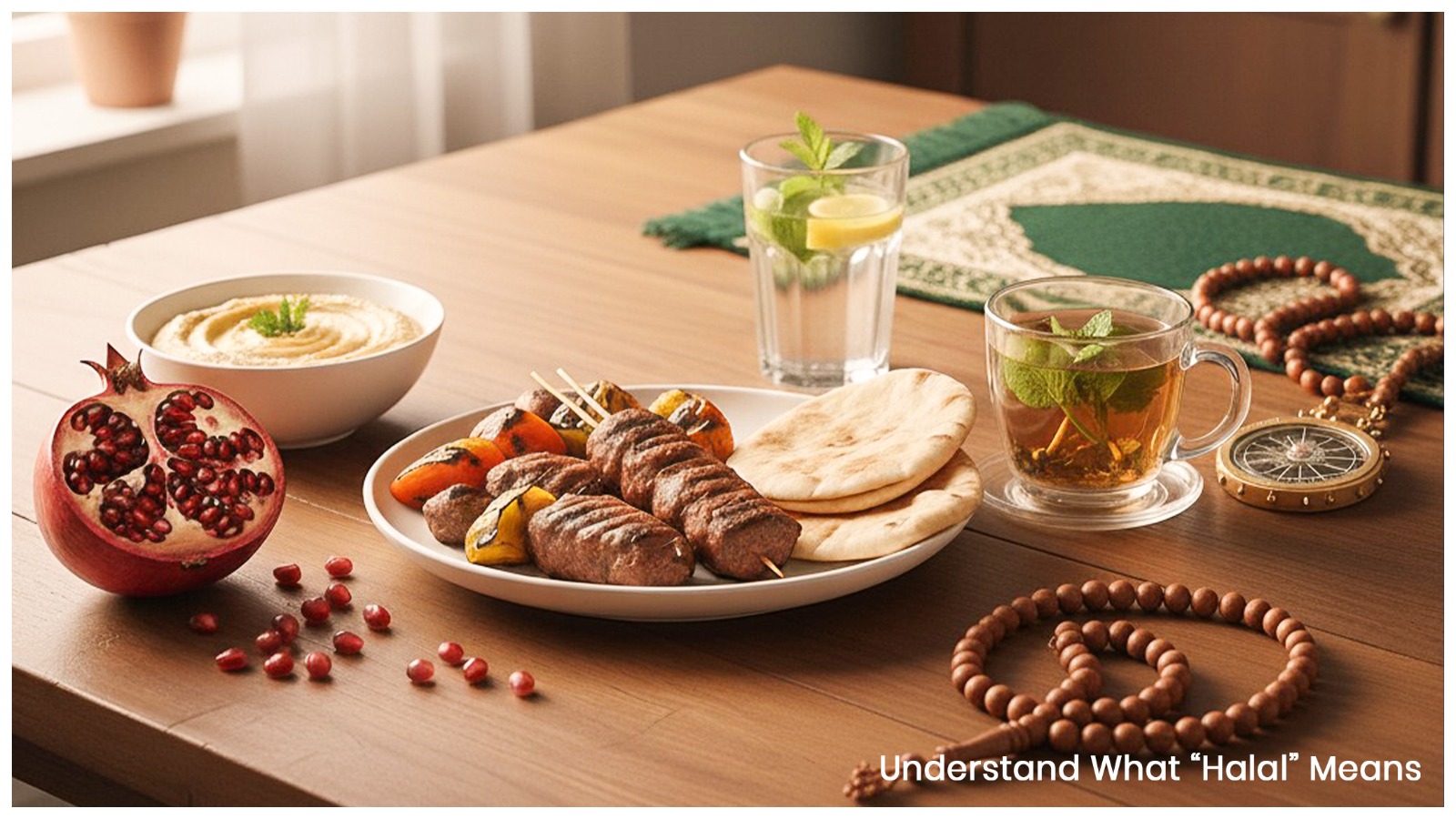
Understand What “Halal” Means
Halal is an Arabic word that means “permissible” or “lawful” according to Islamic teachings. When it comes to food and drinks, it refers to items that Muslims can consume under Islamic dietary laws. The opposite of Halal is “Haram,” which means prohibited. Knowing these terms is important for Muslim travelers who want to ensure their meals meet their faith's requirements, even while exploring various halal-friendly destinations.
Foods That Are Strictly Prohibited
Certain types of food and drink are clearly forbidden in Islam. Muslim travelers should be careful when dining abroad. These include:
Pork and Its By-Products.
Pork is considered impure in Islam. Any form of it—including bacon, ham, lard, or gelatin from pigs—is strictly forbidden.
Improperly Slaughtered Animals.
Meat is only Halal if the animal is slaughtered according to Islamic rules. This includes invoking the name of Allah, using a sharp knife for a quick cut to the throat, and minimizing suffering. Meat that does not follow this method is not allowed.
Blood.
The direct consumption of blood or food products that contain blood is Haram, as it is seen as impure.
Alcohol and Intoxicants.
All forms of alcohol, whether consumed as a drink or used as an ingredient in food,are prohibited. This also includes other substances that can alter the mind.
If you’re unsure about how food is prepared when traveling, you can always search for halal-certified restaurants near you for peace of mind.
Seafood and Scholarly Differences
Seafood is generally considered Halal, but opinions can vary between different Islamic schools of thought. For instance, the Hanafi school permits only fish, excluding other sea creatures like shrimp, crab, or lobster. Meanwhile, scholars from the Shafi’i, Maliki, and Hanbali schools allow a wider variety of seafood. Understanding these differences helps travelers make informed choices based on their personal beliefs or cultural practices. While abroad, checking the menus of halal-friendly hotels or restaurants can help ensure you make choices that fit your dietary needs.
Why Understanding Halal Matters for Travelers
For Muslim travelers, knowing what is Halal goes beyond just following rules. It offers peace of mind and ensures that their journey remains spiritually meaningful. Misunderstandings or lack of knowledge can lead to stress, accidental consumption of Haram foods, or missed chances to enjoy local cuisines. By clearly understanding Halal guidelines, travelers can explore confidently and enjoy the beauty of new cultures without compromising their beliefs. With resources like HalalExplore, you can easily find reliable halal food, safe transfers, and even halal cruise experiences while traveling.
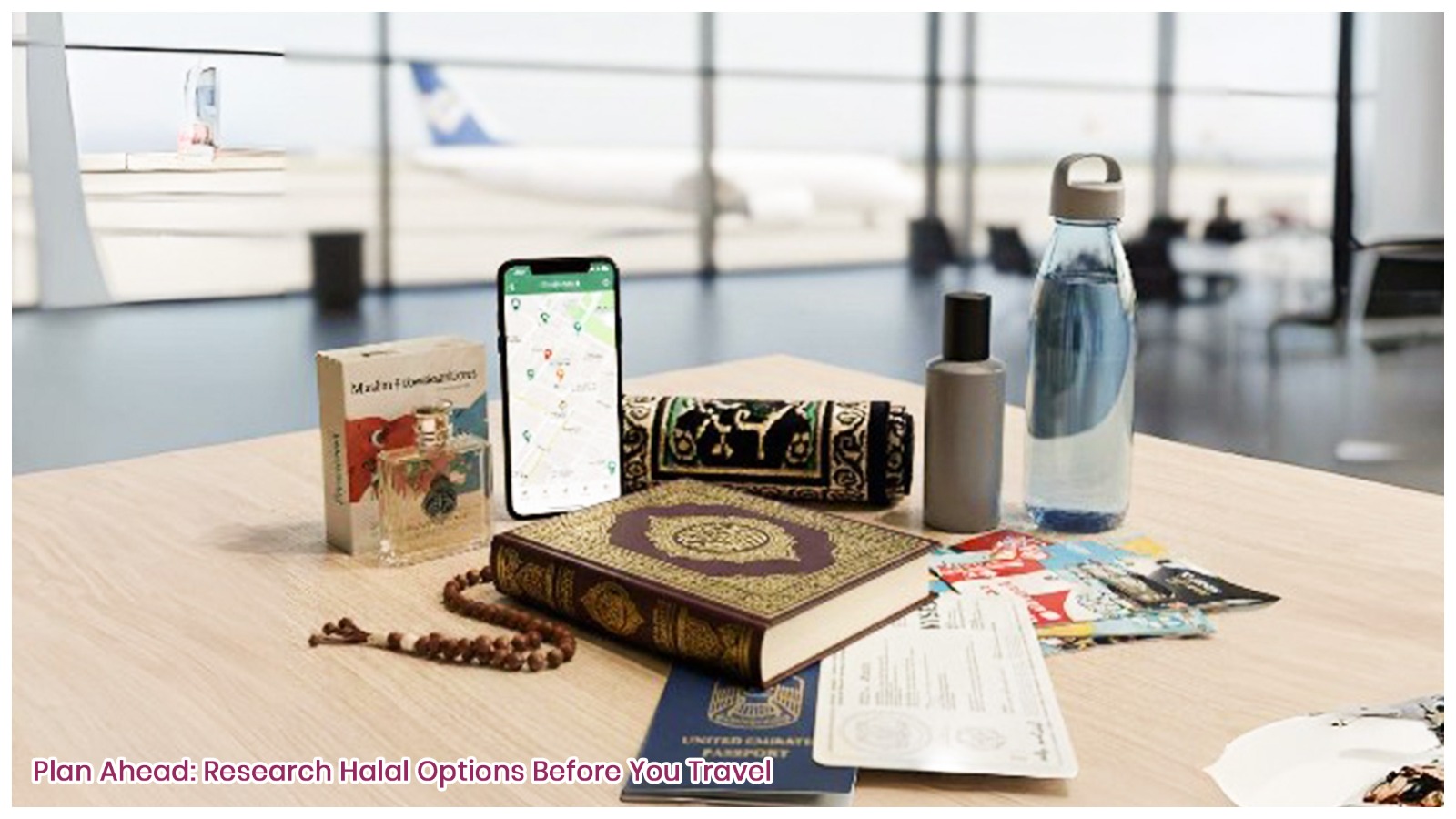
Plan Ahead: Research Halal Options Before You Travel
One of the best ways to have a stress-free trip is to prepare beforehand. If you take some time before your journey to find Halal food options, you can avoid uncertainty and last-minute hassles. Researching Halal-friendly restaurants, markets, and local communities helps keep your travel experience enjoyable and spiritually comfortable.
Certification Is Key
When looking for Halal food, the safest option is to choose places with official Halal certification. These certifications come from recognized Islamic authorities and ensure that the food meets Islamic dietary rules. While the certification process varies by country, it generally includes the sourcing of ingredients, preparation methods, and storage practices. For travelers, this means peace of mind, knowing your meal is free from prohibited items like pork, alcohol, or improperly slaughtered meat. If you’re unsure, platforms like HalalExplore’s restaurant listings can guide you to certified eateries.
Muslim-Owned Eateries
In some areas, Halal-certified restaurants may be hard to find. In these situations, eating at Muslim-owned restaurants can be a reliable choice. Many Muslim business owners follow Islamic dietary practices, even if they don’t have certification. However, it is wise to ask polite questions about issues like cross-contamination with non-Halal ingredients or the use of alcohol in cooking. A simple conversation can help you make informed choices when visiting local Halal-friendly restaurants.
Vegetarian and Seafood Alternatives
If Halal-certified or Muslim-owned restaurants aren't available, vegetarian or seafood options can often be safer choices. Plant-based meals usually avoid common issues like pork and non-Halal meat. However, be cautious about hidden ingredients. Some vegetarian dishes might have wine, cooking sauces with alcohol, or cheese made with animal-based rennet. Similarly, seafood could be cooked with non-Halal oils or flavorings. Always confirm with the staff to ensure your meal is truly Halal-friendly, especially when staying at Halal-friendly hotels that may offer mixed dining options.
Use Online Resources and Apps
Technology has made it easier than ever to find Halal food while traveling. Many mobile apps, websites, and online communities help Muslim travelers discover Halal-certified restaurants, grocery stores, and delivery options. These platforms often provide reviews, photos, and recommendations from other Muslim travelers. Exploring trusted platforms such as HalalExplore before you leave allows you to have a list of reliable places to eat, saving you time and effort upon arrival.
Explore Local Communities
Another helpful strategy is to connect with local Muslim communities at your destination. Mosques, Islamic centers, and community organizations are often great sources of information about Halal food options in the area. They may also lead you to smaller family-run restaurants or shops that don’t advertise widely but serve authentic Halal meals. In some destinations, you can even discover hidden gems while exploring local activities or cultural hubs.
Peace of Mind Through Preparation
By spending some time researching before your trip, you can ensure that Halal dining won’t cause you stress. Whether you rely on certifications, trust Muslim-owned eateries, explore vegetarian or seafood options, or use online and community resources, preparation gives you the confidence to fully enjoy your travels. With thoughtful planning, your journey becomes both a cultural adventure and a spiritually fulfilling experience. And with services like HalalExplore, you can plan your entire trip—from hotels to restaurants, transfers, and even insurance—with
Must-Have Apps and Resources for Halal Travelers
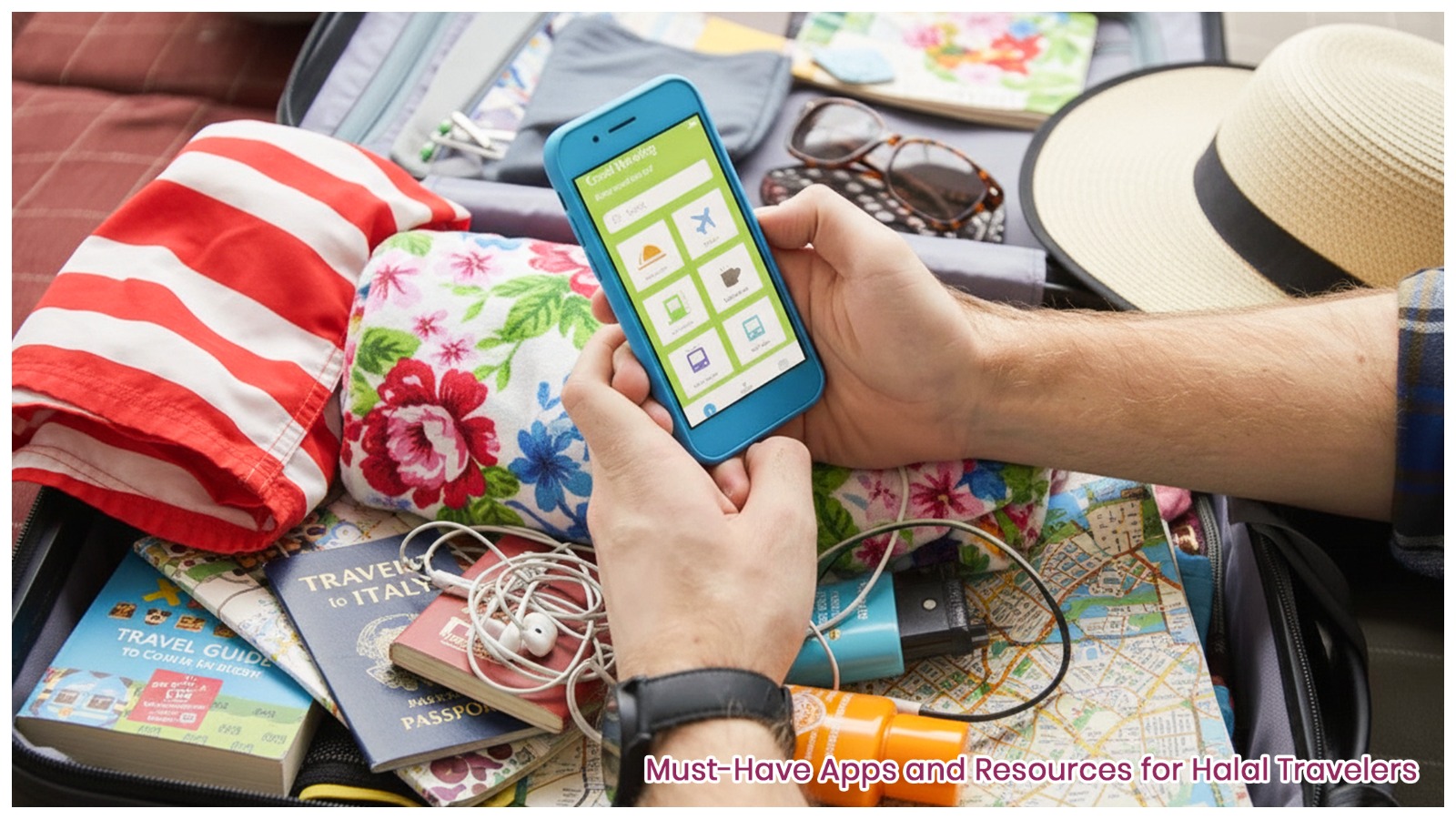
In today's digital age, Muslim travelers no longer have to rely on guesswork or word-of-mouth to find Halal food and services abroad. A variety of apps and online platforms simplify the process. They help you locate Halal-certified restaurants, mosques, prayer facilities, and even Muslim-friendly hotels. By downloading and using these tools before your journey, you can save time, avoid stress, and enjoy a smooth and fulfilling travel experience.
Zabihah
Zabihah is known as the world's oldest and largest Halal restaurant guide. With thousands of listings worldwide, it allows Muslim travelers to search for Halal-certified eateries by location. The platform includes reviews, menus, photos, and contact information. This makes it easier to decide where to dine, especially in unfamiliar cities where Halal options may not be obvious.
HalalTrip
HalalTrip is an all-in-one app made specifically for Muslim travelers. It offers more than just food listings. The app provides guides to Halal-friendly destinations, Qibla directions, prayer time notifications, and travel inspiration. It also features reviews from other Muslim travelers, letting you learn from their experiences. This resource is great for those seeking Halal food guidance and travel planning help.
HalalGuide
HalalGuide is another helpful tool. It aids you in discovering Halal restaurants, mosques, shops, and even cultural centers in various countries. With its interactive maps and local recommendations, it is especially useful in new destinations where language barriers might make communication difficult. This app connects you with both Halal food options and Muslim communities.
Muslim Pro
Muslim Pro is widely regarded as one of the most complete Islamic lifestyle apps. It is popular for offering precise prayer times, Quran features, and Qibla direction. The app also provides resources for Halal living. Some versions even suggest Halal food spots, making it a helpful companion for both spiritual and practical needs during your travels.
Verify Halal
Verify Halal is particularly helpful when grocery shopping abroad or dining in places without visible certification. The app lets you scan product barcodes to check if an item has been verified as Halal by recognized certification bodies. This feature helps reduce the risk of accidentally consuming non-Halal ingredients in packaged food.
Halal Explore
In addition to these apps, HalalExplore is a platform that allows you to plan your entire Halal-friendly trip in one place. From restaurants and Halal-friendly hotels to holiday packages, activities, cruise options, transfers, and insurance, it covers everything you need for a smooth journey. This makes it an excellent one-stop solution for Muslim travelers looking for convenience and peace of mind while exploring.
The Value of Digital Tools for Halal Travel
By using these apps and resources, Muslim travelers can tackle common challenges such as language barriers, lack of information, and uncertainty about food authenticity. These digital tools empower you to make informed decisions, enjoy your travels, and stay spiritually connected wherever you go. With the right apps at your fingertips, your journey can be both adventurous and worry-free.
Strategies While Traveling
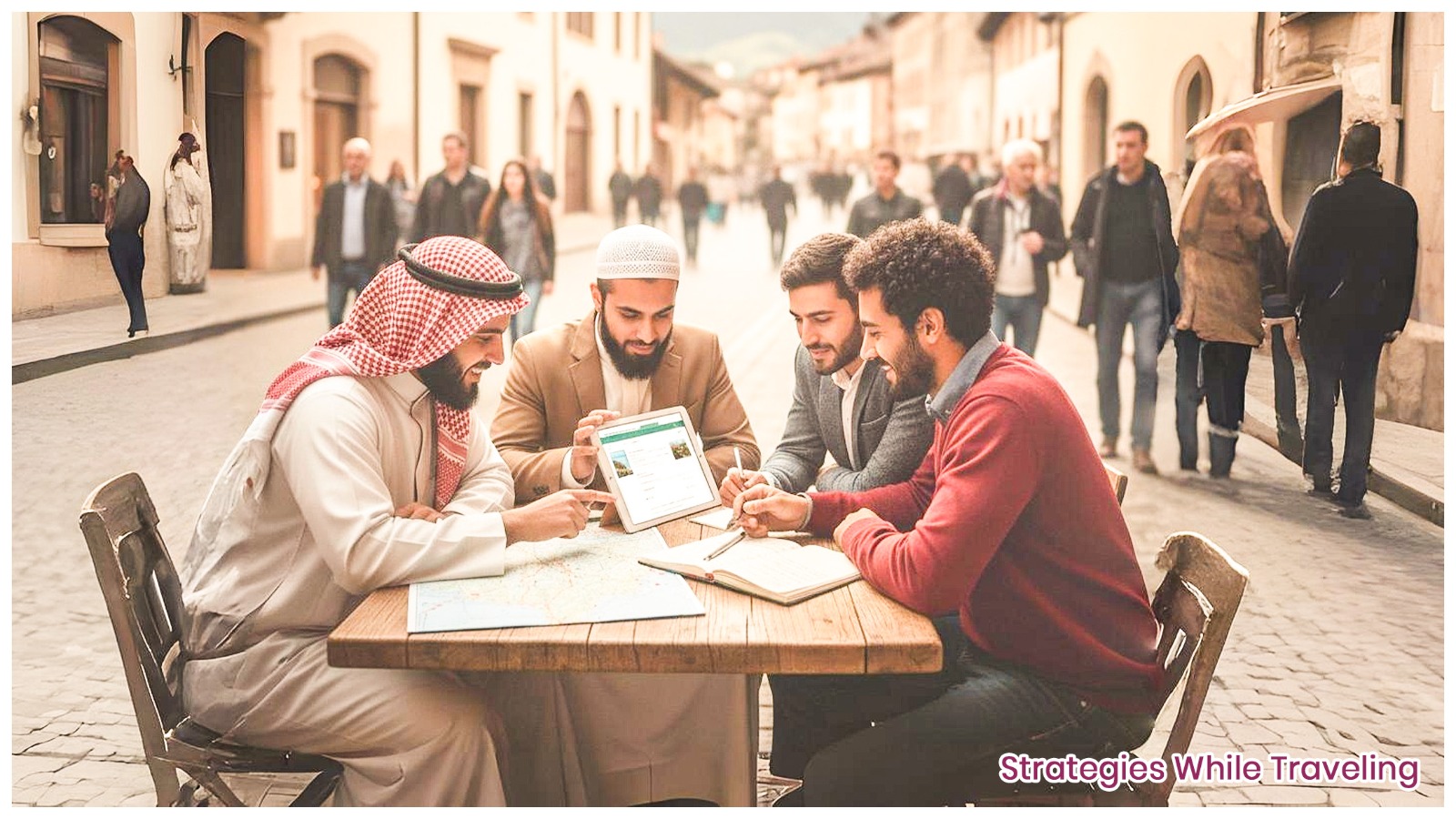
Maintaining Halal dietary standards while traveling requires practical strategies and careful planning. Simple steps taken in advance can significantly enhance your trip, making it smoother and more spiritually fulfilling.
Pack Halal Snacks
One of the easiest ways to relieve travel stress is by bringing your own supply of Halal-certified snacks or non-perishable items. Snacks like nuts, granola bars, dried fruits, and packaged foods with clear Halal certification are perfect for long flights, road trips, or unexpected layovers. Having these snacks available allows you to stay nourished when Halal options are limited and provides flexibility during emergencies.
Look for the Halal Logo
When buying packaged foods, always check for the official Halal logo or certification. This mark indicates that the product has been verified by a recognized Islamic authority and is safe to eat. Different countries may use various certification bodies, so getting familiar with international Halal symbols can help you make informed choices in grocery stores, airports, or convenience shops.
Beware of Shared Kitchens and Bakeries
Shared kitchens and bakeries often prepare both Halal and non-Halal items, increasing the risk of cross-contamination. Even if a product appears vegetarian or safe, it is good practice to ask staff about preparation methods and ingredient sources. Confirming this information can prevent accidental consumption of non-Halal ingredients like alcohol, gelatin, or non-Halal meat products.
Ask Locals and Read Reviews
Local communities offer valuable guidance for Halal travelers. Platforms like Reddit, travel forums, or local Facebook groups frequently share recent experiences, restaurant reviews, and tips for Halal-friendly dining. By consulting these resources, you can find trusted eateries, avoid mistakes, and discover hidden gems that are not mentioned in mainstream travel guides. You can also check HalalExplore restaurants for verified options.
Pre-Arrange Halal Transfers and Holiday Packages
For added convenience and peace of mind, consider booking Halal-friendly transfers and holiday packages in advance. These services ensure that your transportation, accommodations, and meals meet Halal requirements, allowing you to focus on enjoying your trip instead of worrying about food or logistics.
Halal-Friendly Destinations and Tourism Trends
Modern Halal travel is about more than just eating Halal food. Many destinations now provide services to cater to Muslim travelers, including prayer facilities and family-friendly amenities.

Top Halal Destinations
Countries like Malaysia, Indonesia, the UAE, Turkey, and Saudi Arabia are known for their Halal-friendly food options. These places offer a variety of Halal restaurants, markets, and cultural experiences that let travelers enjoy authentic cuisines without compromising their dietary needs.
Growing Halal Tourism
The Halal travel industry has expanded to offer more than just food. Hotels in major destinations now include prayer facilities, Qibla indicators in rooms, gender-separate pools, and Halal-only dining choices. You can easily find such accommodations through platforms like HalalExplore Hotels, which focus on properties designed to cater to Muslim travelers. This trend allows you to blend leisure, luxury, and faith into a single seamless experience.
Local Tips and Community Insights
Learning from local knowledge is crucial for successful Halal travel. Observing cultural practices and connecting with local communities can help ensure your meals comply with Islamic dietary laws.

Insights from Local Communities
- In Malaysia, most Malay-run eateries are Halal, but it's always smart to look for visible signage or ask staff for confirmation.
- In multicultural countries, fusion restaurants or eateries serving mixed cuisines may contain hidden non-Halal ingredients. Always check with staff before ordering to avoid accidentally consuming forbidden items.
Specialized Halal Travel Services
For travelers interested in niche experiences, services like Halal cruises or Halal travel insurance can offer extra security and convenience. These options ensure that your entire travel experience, from dining to transportation and insurance, aligns with Halal standards, letting you focus on enjoying the trip without worry.
Conclusion
Traveling while maintaining Halal dietary standards can be simple and enjoyable with proper planning. By using reliable apps, researching certified food spots, packing Halal snacks, seeking advice from local communities, and arranging Halal-friendly services in advance, you can enjoy global adventures without compromising your faith. Platforms like HalalExplore make it easier to plan everything in one place—from restaurants and hotels to holiday packages, cruises, transfers, and insurance. With these resources, your journey can be both delicious and spiritually fulfilling, allowing you to fully embrace the adventure.
FAQ Section
Q1: Which country is the best for halal-friendly travel in 2025?
A1: Malaysia wins the Global Muslim Travel Index 2025 for the most halal-certified food, mosques, and family-friendly travel experiences.
Q2: What are the top non-OIC halal travel destinations?
A2: Singapore and the UK are the most Muslim-friendly places to visit outside OIC countries, providing MUIS-certified food and prayer areas.
Q3: What are some options to search for halal food while traveling in foreign countries?
A3: Install and use the HalalTrip, Zabihah, or HalalExplore apps to easily find certified halal restaurants at your travel destinations.
Q4: Are the halal tourism activities in Europe on the rise?
A4: Certainly, Spain and the UK are increasing their halal tourism markets with the availability of certified restaurants, prayers, and other facilities at tourist attractions.
Q5: What's the most hassle-free method to organize a holiday that is friendly to Muslims?
A5: Use reliable sites such as HalalExplore that provide halal accommodation, transport, and family-friendly excursions all over the globe.