Introduction
Travel has always been one of the most enriching ways to connect with the world. It allows us to experience new cultures, explore breathtaking landscapes, and create lasting memories with family and friends. For Muslim travelers, a vacation is not just about exploration; it’s also about ensuring that every part of the journey respects their values and beliefs. This is where halal travel comes in.
Halal tourism is more than just a trend; it is a lifestyle choice that combines leisure with faith. It gives Muslim travelers the comfort of knowing their dietary needs, prayer obligations, and modesty requirements are respected wherever they go. At the same time, it offers meaningful cultural experiences that are family-friendly, ethical, and spiritually fulfilling.
As the global halal tourism market expands, destinations worldwide are welcoming Muslim travelers with halal-friendly practices. From halal-certified dining and prayer facilities in airports to gender-segregated leisure spaces and eco-friendly halal resorts, the travel industry is evolving to make vacations enjoyable and mindful of faith. Planning such a vacation involves more than convenience; it offers peace of mind, cultural comfort, and a connection to one’s values while discovering the beauty of the world.
Why Planning a Halal Vacation Matters
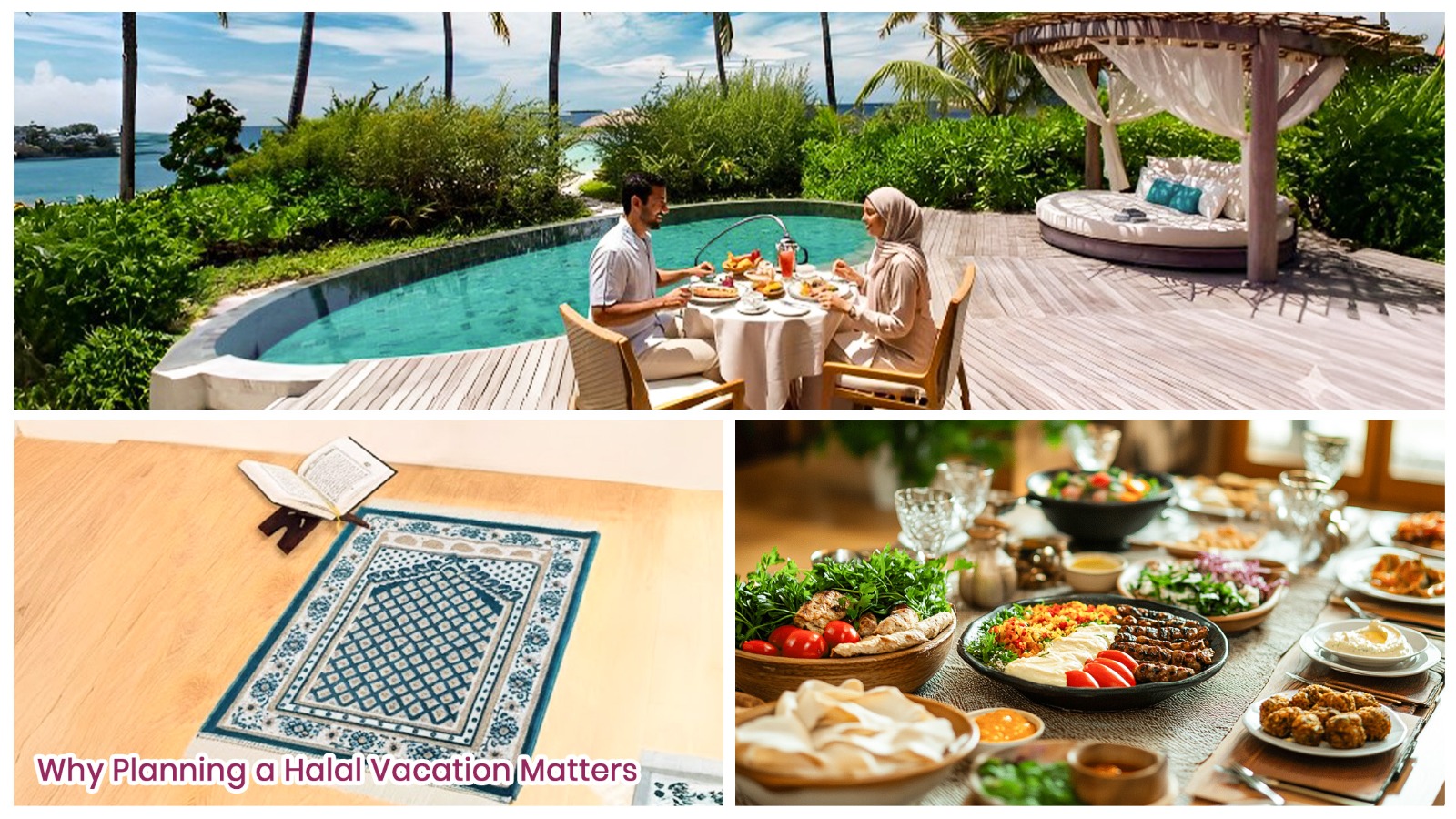
Traveling without preparation can lead to challenges, especially when finding halal food options, prayer spaces, or modest leisure activities. Planning a halal vacation ensures your journey runs smoothly and your needs are met. It gives you the confidence to explore new destinations without worrying about compromising your faith. When organized thoughtfully, halal travel allows you to relax, immerse yourself in local culture, and focus on the joy of exploration.
The Global Rise of Halal Tourism
Halal tourism has become one of the most dynamic segments of the travel industry. According to recent projections, the market is expected to reach USD 341.4 billion by 2030. This growth results from increasing demand from Muslim travelers who want to explore the world while adhering to their faith. Countries, airlines, and hospitality providers are now offering specialized services like halal-friendly packages, halal menus, prayer facilities, and family-focused itineraries that cater to the unique needs of Muslim tourists.
Halal-Certified Food and Dining
Food is one of the highlights of travel, and for Muslim travelers, halal-certified dining is essential. Planning ensures you can enjoy local cuisines while knowing they meet Islamic dietary requirements. Many destinations now feature halal-certified restaurants, hotel kitchens that prepare meals according to halal guidelines, and even apps to locate nearby halal eateries. This makes dining not only stress-free but also an exciting part of the cultural experience.
Gender-Segregated Facilities for Comfort and Privacy
Wellness and leisure activities play a significant role in vacations, but for Muslim travelers, privacy and modesty are equally important. Many halal-friendly resorts and destinations now offer gender-segregated pools, spas, beaches, and gyms. These spaces allow travelers to relax and enjoy themselves while feeling comfortable and respected. Such facilities ensure families can enjoy activities together without concerns about modesty or cultural differences.
Accessible Prayer Spaces Everywhere You Go
Prayer is an essential part of a Muslim’s daily life, and access to prayer spaces while traveling is a major comfort. Thankfully, more and more places—including airports, shopping malls, tourist attractions, and hotels—are providing prayer rooms with Qibla directions, mats, and sometimes even wudu areas. By planning ahead, travelers can also find nearby mosques or use halal activity services that help locate prayer facilities, making it easier to keep their spiritual practices while on the go.
Modest and Ethical Tourism Practices
Halal tourism isn’t only about physical facilities; it’s also about values. Many Muslim travelers prefer destinations that respect modesty, family values, and ethical principles. This could mean choosing eco-friendly hotels, places that promote cultural heritage, or even travel options supported by halal insurance to ensure a secure and ethical journey. Halal tourism encourages travelers to enjoy the world while being mindful, responsible, and respectful of both people and nature.
Exploring Halal Activities That Fit Your Lifestyle
A well-planned halal vacation opens the door to countless activities tailored to Muslim travelers. Whether it’s a halal cruise with separate leisure areas, adventure sports that respect modest attire, visits to Islamic heritage sites, or wellness retreats designed for relaxation in line with faith, the options are endless. With specialized holiday packages and easy transfers between destinations, these experiences create a perfect balance between leisure and spirituality, allowing travelers to explore the world while staying true to their values.
Step 1: Choose the Right Time and Destination
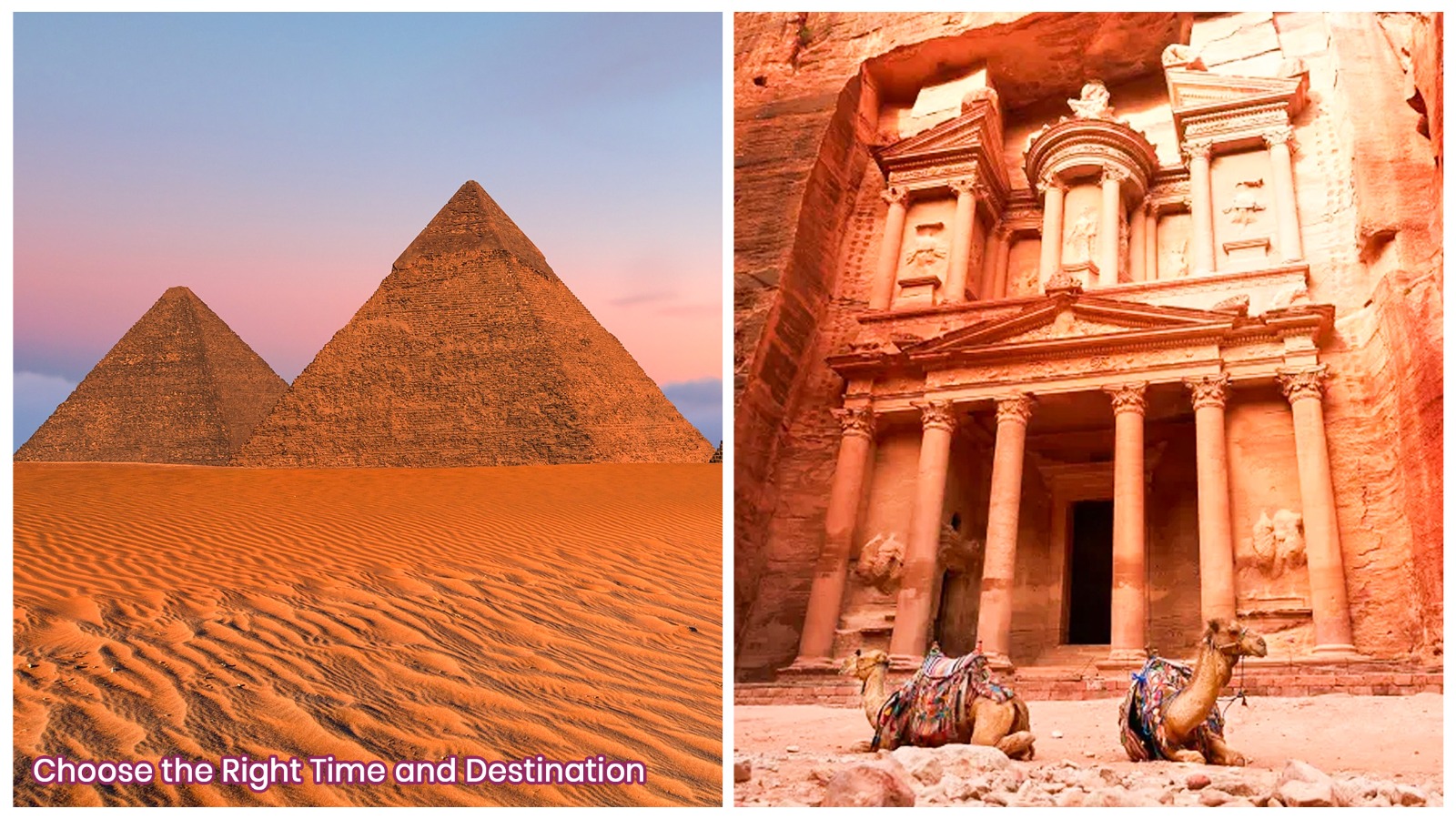
The foundation of a successful halal vacation starts with carefully picking when and where to travel. Timing is important because it affects weather, crowd levels, cultural events, and access to halal-friendly services. For example, traveling during Ramadan can offer a deeply spiritual experience in Muslim-majority destinations. Off-peak seasons often provide more privacy, better prices, and less crowded attractions.
Choosing a destination that respects and caters to Islamic values is just as crucial. Countries like Malaysia, Turkey, the United Arab Emirates, and Indonesia are known for their contributions to halal tourism. These places offer many halal restaurants, clearly marked prayer facilities in public areas, and overall cultural respect for Muslim travelers. Such settings make it easier to relax and explore without the worry of finding suitable food or places to pray.
When selecting a destination, think about how it balances leisure and spiritual comfort. Some locations may be great for family vacations with child-friendly activities, while others could be perfect for cultural experiences, nature retreats and halal-friendly hotels, or even luxury halal cruises. Modern halal tourism platforms now let you browse Muslim-friendly destinations and guided activities, explore tailored holiday packages, and arrange smooth travel transfers to make the journey stress-free. By starting your planning with the right time and place, you create a vacation that is both enjoyable and mindful of your beliefs.
Step 2: Define Essential Needs
Once you’ve chosen the right time and destination, the next step in planning a halal vacation is to clearly define your essential needs. Every traveler has unique preferences, but for Muslim travelers, faith-based requirements are key to shaping the trip. Identifying these needs early helps you avoid last-minute stress and ensures your journey is both comfortable and spiritually fulfilling.
The first and most important aspect is access to halal food. Traveling in unfamiliar places can sometimes make it hard to find meals prepared according to Islamic dietary laws. To avoid uncertainty, research in advance for halal-certified restaurants or hotels offering halal dining options. Many halal-friendly destinations now have a variety of dining choices, ranging from local cuisines to international halal restaurants. This gives you peace of mind and allows you to enjoy diverse flavors without worry.
Another essential need is the availability of mosques or prayer facilities nearby. As a Muslim traveler, keeping up with your daily prayers is crucial. Having accessible spaces makes it easier to maintain this practice while on the go. Today, many airports, shopping centers, and tourist attractions feature prayer rooms equipped with Qibla directions and mats. Some halal-friendly hotels also provide in-room amenities like prayer rugs, Qur’ans, and Qibla indicators for added convenience in your spiritual practice.
Accommodation is another important factor to think about. Privacy, comfort, and respect for modesty should be top priorities when choosing where to stay. Look for halal hotels and resorts that cater specifically to Muslim travelers by offering gender-segregated swimming pools and spas, family-friendly villas, and private spaces that allow you to relax with peace of mind. Some places even go the extra mile by providing halal-certified kitchens and room service, ensuring every detail aligns with Islamic values. For complete peace of mind, you can also explore halal travel insurance to protect your trip and make your journey more secure.
By carefully defining your essential needs—halal food, prayer accessibility, and modest accommodations—you create a strong foundation for a stress-free holiday. Taking the time to consider these elements ensures that your vacation is not only enjoyable but also in line with your faith, making the experience both meaningful and memorable
Step 3: Set Up Your Budget
Budgeting is one of the most important steps in planning any vacation. For a halal trip, it ensures that all your faith-based requirements are met comfortably without financial stress. Start by creating a realistic budget that covers the main expenses: flights, accommodation, meals, local transportation, and activities. Halal travel often includes specific needs like halal-certified meals or Muslim-friendly hotels, so it's smart to set aside a little extra for these options.
When budgeting for meals, think about whether you’ll dine out frequently at halal-certified restaurants or stay in places with halal kitchens or in-room dining. Booking flights early often helps you secure better deals, while accommodation prices can vary based on location and season. Don't forget to set aside funds for experiences like guided cultural tours and activities, entrance to Islamic heritage sites, or leisure options like halal cruises.
A helpful tip is to plan your trip during off-peak seasons. Prices for flights and hotels typically drop, and tourist attractions are less crowded, making it easier to enjoy a calm experience. By budgeting carefully and prioritizing what matters most, you can have a halal vacation that is both affordable and enjoyable.
Step 4: Logistics and Travel Agents
After you set your budget, the next step is to organize all the logistics of your trip. This includes booking flights and holiday packages, arranging airport transfers, securing visas if needed, and planning your local routes. Handling these essentials early ensures that your trip goes smoothly from start to finish.
Halal travel agencies can be especially useful during this step. They specialize in creating halal-friendly packages that consider everything from halal meals to prayer facilities, so you don’t have to worry about the details. These agencies usually work with halal hotels and restaurants, making it easier to book a package that matches your lifestyle and values.
Booking your airport transfers in advance also saves you from stress upon arrival. Pre-arranged transport means you don’t have to navigate unfamiliar routes or worry about cultural misunderstandings. With everything organized, you can start your journey feeling calm and focused on enjoying the experience.
Step 5: Tailor a Muslim-Friendly Itinerary
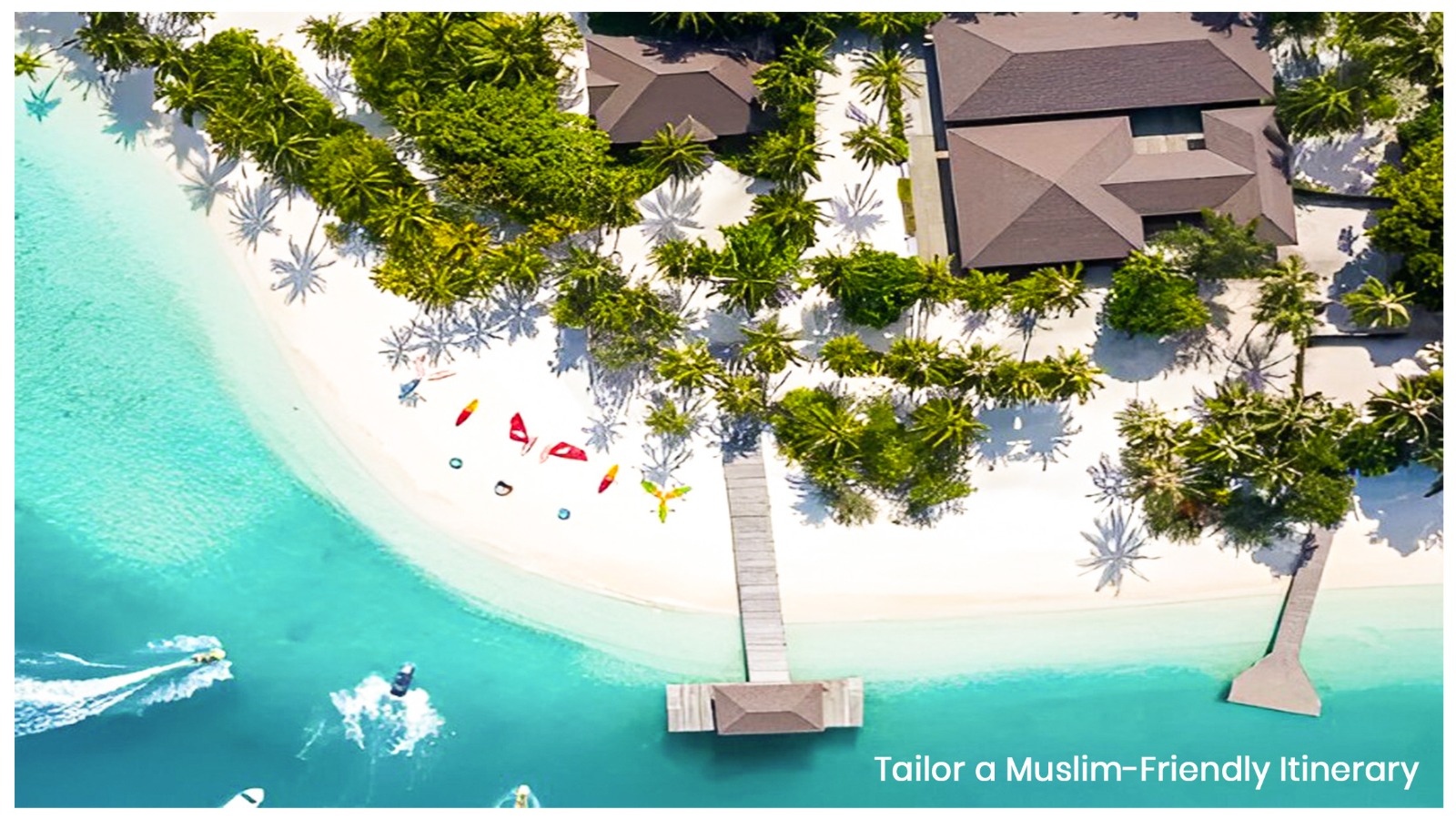
An itinerary is the heart of your travel experience, and personalizing it to fit your faith makes your trip both enjoyable and meaningful. Begin by scheduling meals at halal-certified restaurants or hotels to ensure food is never a problem. Next, coordinate your itinerary with prayer times. Many travelers plan sightseeing or shopping breaks around daily prayers, allowing them to maintain their spiritual routine without feeling rushed.
Cultural experiences should also be a focus. Visit local Islamic heritage sites, mosques, and museums to deepen your understanding of the region’s history and its connection to Islam. Community-based tourism is another great way to connect with local Muslim communities, offering authentic experiences that enrich your trip. You can also explore unique activs, your itinerary transforms from merely a list of activities into a guide to meaningful travel.ities such as guided tours, adventure travel, or family-friendly experiences. By balancing leisure with spiritual need.
Step 6: Plan for Spiritual Needs
Travel is more enjoyable when your spiritual needs are met. Many halal-friendly hotels now offer in-room prayer facilities, including prayer rugs, Qibla indicators, and copies of the Qur’an. These amenities make it easier to fulfill religious duties while you’re away from home. For added support, several mobile apps cater specifically to Muslim travelers.
Apps like Muslim Pro provide prayer times, Qibla directions, and Duas, while HalalTrip helps you locate halal food, mosques, and offers hotel suggestions and travel tips. HalalGuide is another useful app for prayer directions and halal dining options. These tools help you stay spiritually connected and supported no matter where you are in the world.
Step 7: Resources and Apps to Help You
In today’s digital world, technology is a great ally when planning and enjoying a halal vacation. Websites like Zabihah offer detailed information on halal restaurants and prayer facilities worldwide. Apps like Muslim Pro and HalalTrip keep you updated on prayer times, mosque locations, and halal dining options.
For booking accommodations, platforms like HalalBooking let you filter hotels by halal-friendly amenities, ensuring you find places that respect your values. Blogs like Muslim Travel Girl offer personal insights, tips, and destination guides tailored for Muslim travelers. Using these resources not only simplifies planning but also enriches your travel experience with helpful advice and reliable information.
Step 8: Be Flexible and Refine
Finally, while careful planning is important, it’s also crucial to stay flexible during your trip. Rigid schedules can lead to stress, and sometimes the best experiences are the ones you don’t plan for. Many halal travel experts, including Norway Halal Tours, suggest leaving space for spontaneity.
You might discover a new halal restaurant, find a local mosque, or come across an unexpected activity worth attending. Having flexibility in your itinerary allows you to enjoy these moments without feeling restricted. Remember, the goal of halal travel is not just to follow faith-based practices but also to create joyful, memorable experiences. By balancing organization with openness, you ensure your trip is both well-structured and filled with delightful surprises.
Real Traveler Insights
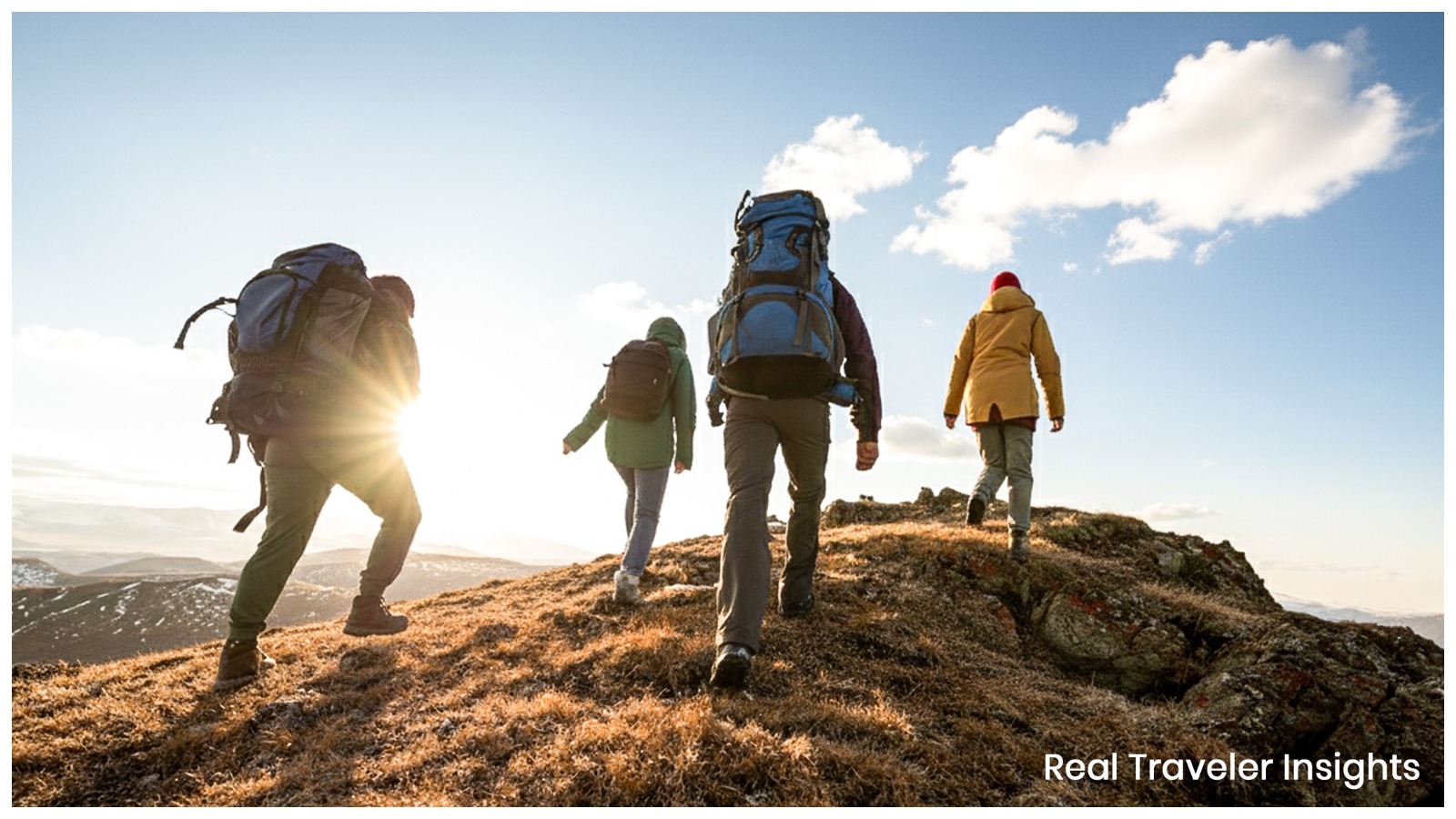
Learning from other Muslim travelers can be one of the most valuable parts of planning your halal vacation. Online forums, social media groups, and platforms like Reddit are full of useful advice from people who have already faced the challenges of halal travel. Many travelers recommend starting with the basics: budget, travel dates, and destination. These elements form the foundation of your entire trip. Once these are set, it becomes easier to create your itinerary with halal-friendly options.
A common tip is to build your travel schedule around halal restaurants. Knowing where to eat in advance saves you from stress when you’re hungry and unsure if the restaurant meets your dietary needs. Today, finding halal-certified dining options is easier than ever with dedicated travel apps, websites, and halal tourism platforms. Whether you are exploring major cities or unique spots, planning around halal restaurants ensures a smoother experience, better meals, and peace of mind regarding your needs.
Travelers also highlight the importance of flexibility. While planning is crucial, leaving room for spontaneity often leads to the most memorable experiences. Whether it’s discovering a local mosque, attending a cultural festival, or finding a family-run halal café, these unplanned moments often become trip highlights. By learning from real travelers and incorporating their advice into your plan, you create a travel experience that is practical, faith-centered, and memorable.
Final Words: Crafting a Meaningful Halal Vacation
At its heart, a halal vacation is more than just a holiday; it’s a journey that mixes leisure with faith, adventure with comfort, and exploration with spirituality. A well-planned halal trip ensures that every part of your travel experience respects your values. This includes the meals you eat, the places you visit, and how you spend your time. It offers peace of mind by reducing uncertainties around food, prayer facilities, and accommodation.
Beyond practical arrangements, halal travel offers spiritual comfort. Knowing that you can fulfill your religious duties easily allows you to enjoy the journey without compromise. Whether it’s attending prayers in a beautiful mosque, experiencing the Islamic heritage of a new city, or reflecting during quiet moments in nature, every experience feels more fulfilling when it aligns with your beliefs.
Most importantly, halal travel is about joyful discovery. It lets you immerse yourself in different cultures, try new activities, and connect with people around the world, all while staying true to your values. From family-friendly holiday packages to adventurous halal cruises and eco-conscious retreats, the options are endless. By carefully planning your trip, you ensure that your vacation is not only enjoyable but also deeply meaningful—a journey that nourishes both body and soul.
FAQ: section Halal Travel – Everything You Need to Know
1. What is halal travel?
Travel for Muslims is defined by the availability of facilities corresponding to their religious and cultural background such as halal food, prayer, and pious activities.
2. Why is planning important for a halal vacation?
Proper planning helps in accessing to halal food, mosques, and gender-segregated facilities as well as Muslim-friendly hotels. It makes the entire trip much easier, without any stress and also in accordance with your faith.
3. What countries are the best for halal tourism?
Malaysia, Indonesia, Turkey, UAE, Saudi Arabia, Maldives, and Bosnia are among the top destinations for halal tourism. These countries provide not only halal food and prayer rooms but also Muslim-oriented attractions.
4. What can I do to find halal restaurants when I am traveling?
Use the applications like Zabihah, HalalTrip, and Muslim Pro to find halal restaurants in your vicinity. There are some hotels which are friendly to Muslims that also have halal certified kitchens and offer dining in your room.
5. Is there a possibility for the Muslim traveler to stay at a hotel?
Definitely, halal hotels are equipped with all necessary amenities for the Muslim guests, such as halal food, no-alcohol rooms, and prayer facilities like mats and Mecca direction. You can book through sites like HalalBooking.
6. Can I easily find prayer rooms when traveling?
Prayer rooms are commonly found in the major airports, shopping centers, and tourist places. You can use apps like Muslim Pro and HalalGuide to show you the nearest mosque and prayer facilities.
7. Are there any gender-segregated areas in halal resorts?
A number of halal resorts are designed with men's and women’s (only) surety pools, spas, beaches, and gyms which serve to Muslim travelers’ privacy and modesty.
8. What are the best apps for halal travel planning?
Best apps to use are HalalTrip, Muslim Pro, HalalGuide, and Zabihah. With these apps, you can find halal food, get prayer times, know the Qibla direction, and find mosques nearby.
9. How do I plan a halal-friendly itinerary?
Your itinerary should consist of prayer times, halal dining places, and a mix of cultural experience and visiting Islamic heritage sites plus family-oriented activities. You should also allocate some time for impromptu visits.
10. Are halal cruises accessible?
They are, and more than one travel agency offer halal cruises with halal food, places for prayer, separate areas for men and women, and entertainment for families.
11. What do I need to check before making a reservation in a halal-friendly hotel?
Seek out hotels that are halal certified, have no alcohol in the room, offer private or gender-segregated facilities, have prayer amenities and are close to both halal restaurants and mosques.
12. Is it possible for me to travel in Ramadan?
You can travel in Ramadan, and this can be a very rewarding spiritual experience, especially in countries where Muslims are not majority and you will find iftar buffets, Taraweeh prayers, and cultural events everywhere.
13. Is halal travel costlier?
Not always. With early planning, selecting the less expensive places, and off-peak periods for traveling, halal travel can be both economical and comfortable.
14. How can families have fun during halal vacations?
Most of the resorts will offer kids’ clubs, family suites, private pools, and safe Muslim-friendly activities. Halal traveling will be a very comfortable experience for all the oparticipants, regardless of their age.
15. Is halal tourism growing worldwide?
Halal tourism is among the fastest-growing travel sectors, and the whole world is providing halal foods, prayer places, and Muslim-friendly tours as the attractions.